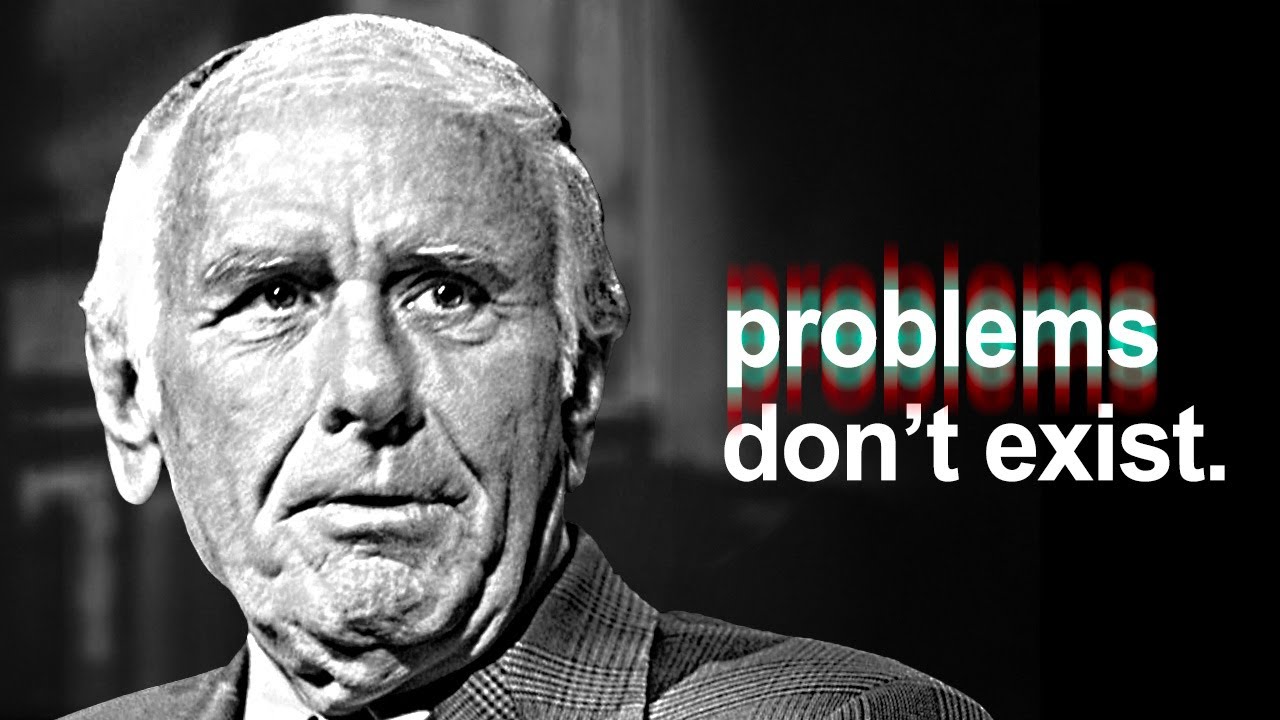
Jim Rohn delivers a powerful motivational talk on personal responsibility, arguing that external circumstances matter far less than internal change. The core message: stop waiting for the world to improve and start improving yourself.
If You Will Change, Everything Will Change for You
Rohn opens by dismantling the "not much list" -- all the external factors people pin their hopes on that ultimately make little difference:
- Negative relatives turning positive, prices dropping, the economy improving, political parties changing -- none of these will meaningfully change your life
- If you don't make your own plans, you'll fit into someone else's plans
"If you will change, everything will change for you. You don't have to change the government. You don't have to change prices. You don't have to change taxes."
The first thing to change is your philosophy -- how you think, the ideas you gather, the knowledge you seek, and the decisions you make about what's valuable.
Easy To Do, Easy Not To Do
Rohn shares his personal formula for building wealth by age 31:
"I did not neglect to do the easy things I could do every day for six years."
- "Easy" means something you can do -- not that it requires no effort. Rohn worked hard, getting up early and staying up late
- The catch: the things that are easy to do are also easy not to do -- and that's the difference between success and failure
- Everyone faces the same choice: easy to do, or easy not to
The Danger of Neglect
The major reason people don't have what they want comes down to one word: neglect.
- Neglect starts as an infection and becomes a disease
- One neglect leads to another -- neglect your money, you'll neglect your time, then your business
- Eventually neglect has you "by the throat," emptying your purse, your heart, and your chances
"You should do it, you could do it, you don't do it. That's called formula for disaster."
The Half-Dozen Things That Matter
Rohn introduces a powerful prioritization principle: roughly six things make 80% of the difference in any area of life.
- For health, business, or any goal -- there aren't a thousand daily requirements, just a handful of fundamentals
- Once you identify those few high-impact activities, spend most of your time on them
- This is the essence of time management -- rich and poor both have 24 hours; the difference is how they allocate them
The Common Mistake
- Most people major in minor things -- spending too much time on what doesn't count and too little on what does
- Don't spend major time or major money on minor things
- Master the basics and fundamentals, then add your own flair and personality
Key Takeaway
Don't wish for a better wind -- wish for the wisdom to set a better sail. Take whatever circumstances life gives you and use them to get where you want to go. Change starts with you, it compounds through daily discipline, and the biggest results come from mastering a small number of fundamentals.